


Research
Postdoctoral research
On flower development
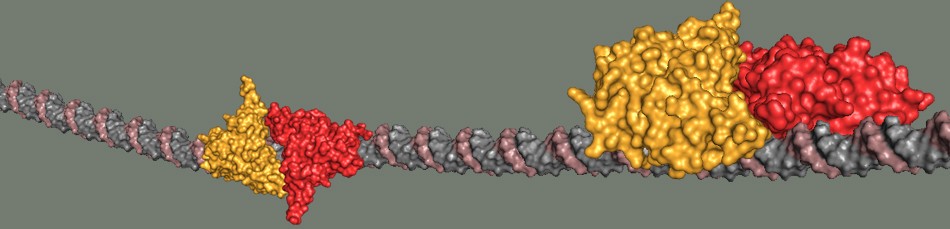
The master LEAFY floral regulator appears fist in streptophyte algae. Using a combination of tools, we study the evolution of the biochemical property of LFY, mainly on its DNA binding capacity and the interaction with protein partners. We ain to elucidate the origin and the functional evolution of this peculiar transcription factor, from its role in cell division in bryophytes to its capacity to induce flower formation in angiosperms.
On seed germination
I obtained my PhD from the University Grenoble Alpes (France) in 2014 after investigating the functions and the biochemical evolution of a transcription factor involved in flower formation in the plant Arabidopsis.
After that I moved to the University of Geneva to start a postdoc in the regulation of seed germination.
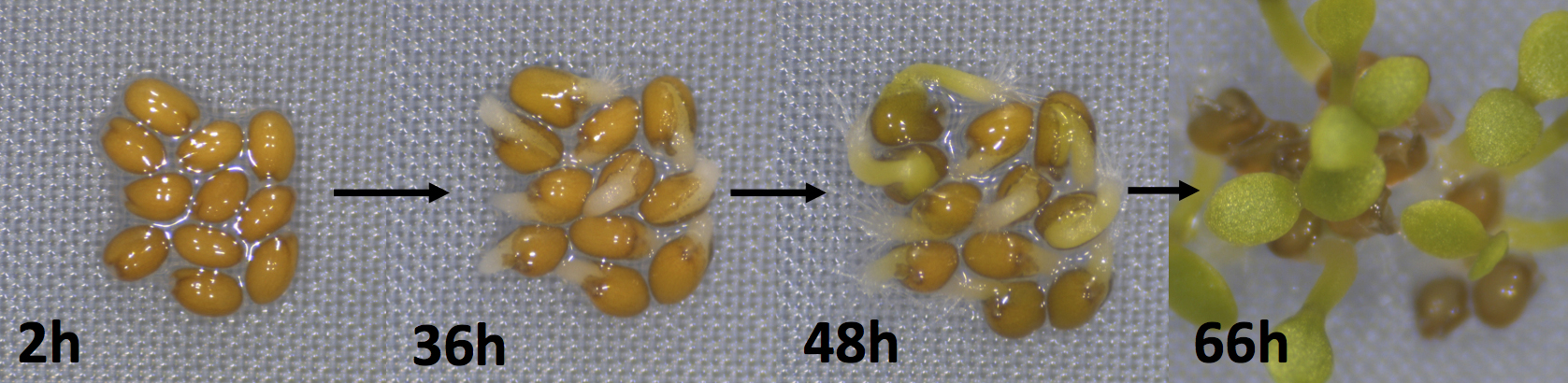
Currently my work mainly focuses on how seeds perceive and integrate external stimuli, such as biotic compounds released by bacteria. My goal is to identify how seeds respond to bacteria present around.
I am also involved in a collaborative project with prof. F. Kessler from the university of Neuchatel to understand the function of DELLA in the regulation of chloroplast biogenesis during seed germination.
PhD
Functions of LEAFY transcription factor during flower development
The transcription factor LEAFY (LFY) is a key floral regulator in plants. Its role in regulating genes involved in floral organ identity has been studied extensively. LFY can bind specific DNA sequences as a dimer throught a conserved C-terminal DNA binding domain. The major goal of my thesis was to explore a non floral function of LFY in the development of plant meristems, which are groups of stem cells from which plant organs are made. Recent data from several species (rice, maize, fabaceae) suggested that LFY likely act in two steps: formation of the meristem itself and determination into a floral meristem. The role of LFY in the formation of meristems could be an ancestral function because LFY is present in plants that do not have flowers.
Thus, aims of my PhD were to investigate:
1) The importance of LFY in the initiation of meristems in the model plant
2) The evolution of LFY’s biochemical properties
3) LFY’s DNA binding activity and dimerization properties
During my PhD, I discovered a new gene network controlled by LFY. New LFY target genes were identified using transcriptomic approaches (microarrays and qPCR) and genome wide DNA binding analysis (ChIP experiments). These target genes were analysed by molecular and genetic approaches. This work shed light on the role of LFY in the making of flowers during the evolution.